
Climbing the Manitou Incline – One Step at a Time
Climbing the Manitou Incline – One Step at a Time
Well, I got influenced. Last year, social media introduced me to the Manitou Incline, an “extreme” tourist attraction near Pikes Peak in Colorado. Originally built in 1907 as a cable car route, it was damaged by a rockslide in the ’90s and reinvented as a staircase made of the remaining wooden ties – 2,768 steps that climb over 2,000 feet in under a mile.
So when I booked a trip to Denver this summer, I channeled Elle Woods energy and added the Incline to my itinerary (what, like it’s hard?). I’m obviously back, alive, and writing this, but that mountain served up some lessons that apply to fundraising too.
1. A Stair Climber does not a Mountain Make
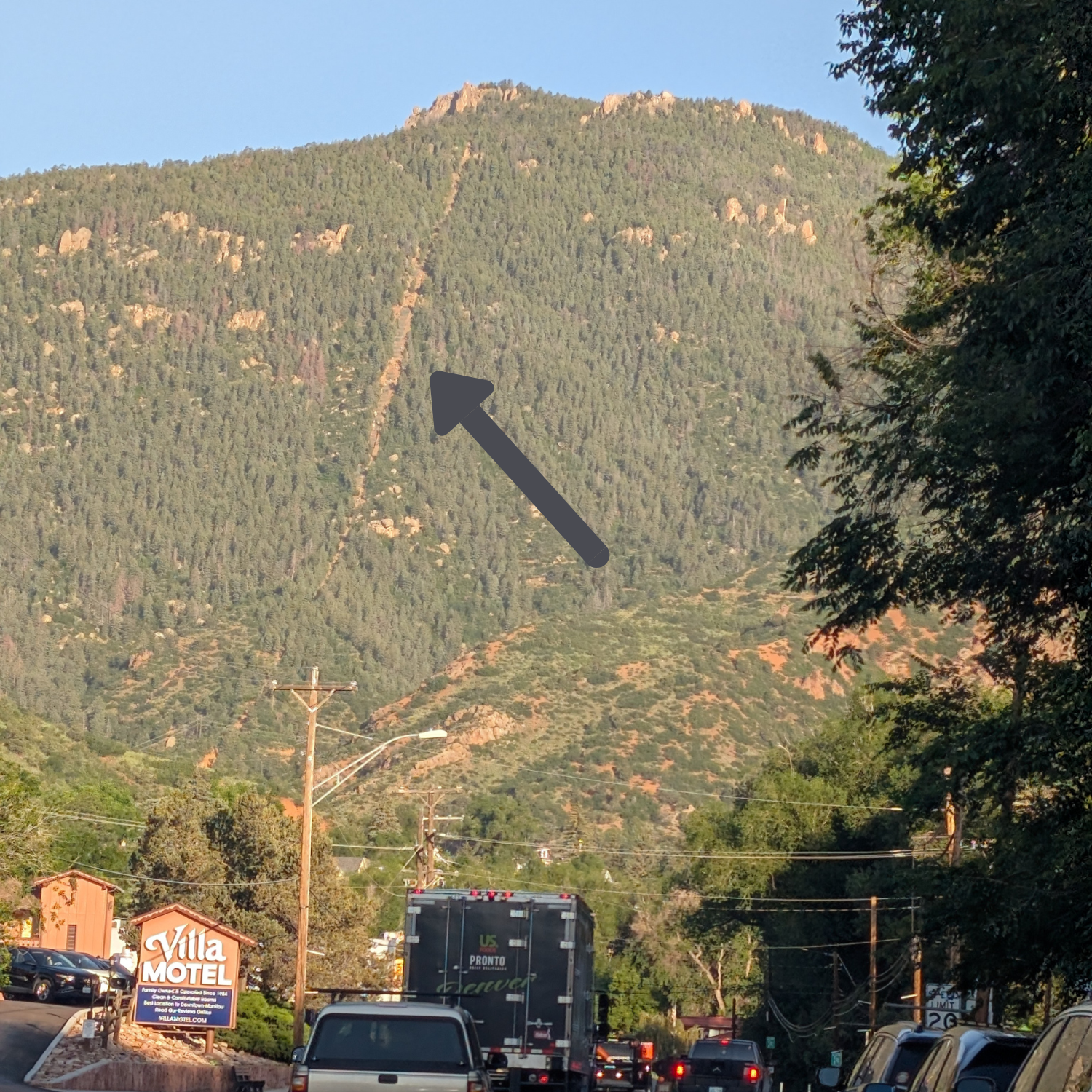 When I planned the trip back in January, I had every intention of training. In total, I used a stair climber twice. Yes, twice. Reality set in pretty quickly when I saw the mountain in person for the first time. Suffice it to say, there was cackling. Lots of cackling. But even if I had trained more, no machine could’ve prepped me for uneven steps, thin air, and the inability to press “Stop” and hop off when it got tough.
Fundraising is similar. You can have all the models, methods, and strategies at the ready, but donor behavior, timing, and shifting community needs are rarely predictable. There will always be variables in play that impact the outcome. Fatigue – yours and theirs – is real. Sometimes, you have to pivot mid-ascent.
That’s not to say don’t prepare – please, train. Training gives you the mindset, tools, and stamina to keep going when things get unpredictable. But fundraising, like the Incline, is more than muscle memory. It’s persistence, flexibility, and trusting that the work you’ve put in will help you adapt. Even when the journey is unpredictable, each step forward gets you closer to the top.
2. Pause, Replenish, and Enjoy the View
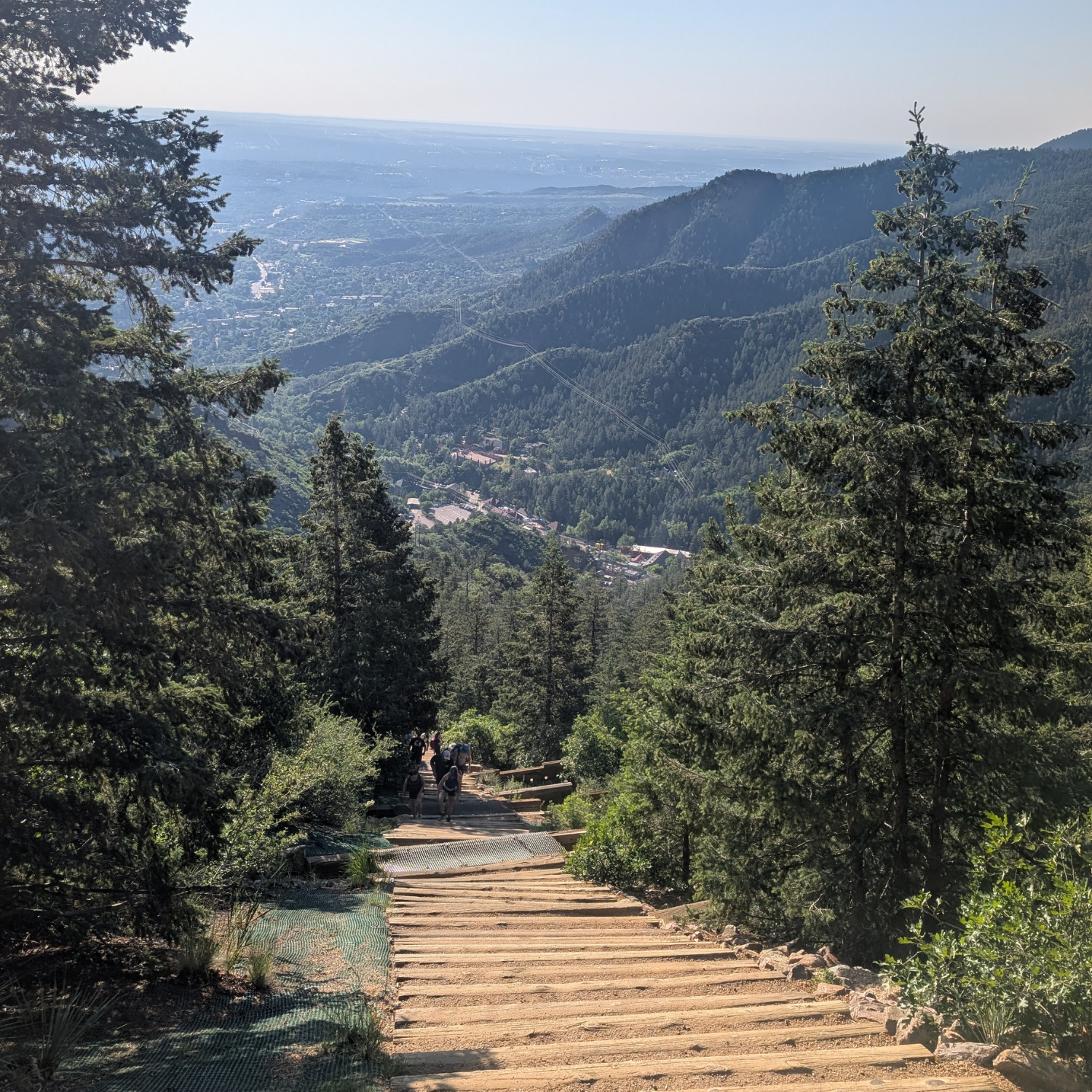
My favorite part of the climb? The breaks. There were side pull-offs where you could catch your breath and question your life choices. These pauses weren’t failures – they were necessary. They helped me recalibrate, rehydrate (note to self for future reference: one tiny water bottle and a single energy gel is not enough), and find my footing again.
 Fundraising demands those same kinds of pauses. Step back and assess your path. Maybe your team needs to adjust their workload. Maybe your donor strategy needs a refresh. Maybe you just need a snack. Whatever it is, giving yourself room to breathe helps you last longer and go farther.
The 100-step markers on the Incline were a game changer. They allowed me to see my progress towards my ultimate goal and stay motivated. When I got to the top of the Incline, the view was breathtaking (literally). But here’s the truth: the view from halfway up was still really good.
Every time I took a break, I got a chance to turn around and look at how far I’d come. I acknowledged each 100-step marker. I saw a chipmunk and got thoroughly distracted. I commiserated and joked with fellow stair-steppers and felt a sense of comradery as we cheered each other on.
The same is true in fundraising. If you put your head down and plow through to your goal at the end, you’ll miss some pretty amazing moments along the way. Celebrate each donor conversation, each story that reminds you why this work matters, each time your impact shows up in real life. Those are the views that keep you going. Pauses may take you a little longer to get to the summit, but they keep you moving forward.
So, what mountain are you climbing right now? Use the resources you have. Rest when you need to. Ask for help. Celebrate along the way. Keep climbing. The summit – and the impact – is within reach.
Kate Frost
President, Association of Fundraising Professionals – WNC Chapter