Come Helene or Highwater

Come Helene or Highwater

A year ago this month, our region faced a storm none of us were prepared for. Overnight, we found ourselves fundraising under unimaginable circumstances. Special events were canceled, urgent needs multiplied, and our carefully planned calendars were suddenly irrelevant.

Helene disrupted everything. Yet looking back, we know how we moved forward: together. Donors stepped up. Volunteers showed up. And nonprofits bent over backwards to support the recovery.

Here are some lessons we learned along the way:
1. Trust is the foundation

The gifts that sustained us came because relationships had already been built. Donors knew our mission, believed in our work, and trusted us before the disaster hit. When we asked for help, they didn’t hesitate. Consistent stewardship and transparent communication before a crisis are what unlock generosity during a crisis. And while large gifts covered major costs, it was the many $25 and $50 donations that reminded us recovery is always a joint community effort.

2. Flexibility fuels response

Unrestricted giving proved invaluable. Priorities shifted by the hour, and being able to direct funds where they were most urgently needed kept recovery moving. As fundraisers, we must continue educating donors and grantors about why flexible funding is essential.

3. Local giving sustains recovery

Local residents, small businesses, and community partners remained with us long after the national news headlines moved on. We should continue to remind supporters that giving close to home creates the strongest safety net, strengthening the very networks that make recovery possible.

4. Time is powerful

Volunteers became the backbone of recovery. They cleared debris, kept programs running, and gave staff the bandwidth to focus on critical needs. Volunteers reminded us that their service is a gift and incredibly valuable.

As we mark this one-year milestone, I know many nonprofits feel deep gratitude for our donors and volunteers. But I also want to make sure you know how grateful this community is for YOU! Thank you for your sacrifice this past year. We see you. Your work mattered. Your leadership mattered. And after the storm, this community is stronger because of you.



Kate Frost
President, Association of Fundraising Professionals – WNC Chapter

Centering IDEA in Fundraising: A Call to Action for WNC Nonprofit Leaders

At the heart of ethical and community-rooted fundraising lies a deep commitment to Inclusion, Diversity, Equity, and Access (IDEA). For the Association of Fundraising Professionals (AFP), IDEA isn’t just a set of principles—it’s a call to action. It’s a recognition that to serve our communities well, we must actively dismantle barriers, confront inequities, and lead with intention.

As fundraisers, we know that relationships are everything. Yet systemic barriers—rooted in race, gender, ability, class, and more—continue to shape who has access to opportunity, power, and capital. The IDEA initiative at AFP is a powerful response to these realities. Launched to elevate underrepresented voices and promote equity in the profession, AFP’s IDEA work helps ensure our sector is reflective of the communities we serve and accountable to principles of justice.

The IDEA initiative offers tools, training, and support to help fundraisers deepen their understanding and practice. Whether you’re just beginning to explore how to integrate IDEA principles into your work, or you’ve been leading equity efforts for years, AFP offers a wide range of resources to guide your next steps. Members can access:

  • Educational resources and toolkits for staff, boards, and volunteers
  • Webinars, reports, and trainings on inclusive fundraising practices
  • Affinity groups, mentorship, and peer networks to support underrepresented professionals
  • Templates and discussion guides for implementing change within your organization

👉 Learn more at AFP Global’s IDEA Center

As national conversations grow more polarized and some funders and institutions attempt to quietly push IDEA principles aside, our role becomes even more critical. Equity is not a trend—it’s essential to how we build strong, sustainable communities. Now is the time to recommit, to lead with courage, and to hold the line.

That’s why our AFP Western North Carolina Chapter is thrilled to welcome Rochelle Jerry, CFrM, Chair of AFP Global’s IDEA Committee, for a very special luncheon program on Wednesday, September 10, 2025, from 11:30 AM – 1:00 PM (location TBA). Rochelle brings a wealth of experience and a deeply thoughtful approach to this work. Her session will offer both a historical perspective on IDEA in fundraising plus inspiration and practical insights into how we can build more inclusive organizations and fundraising practices right here in WNC.

This event is open to all nonprofit professionals—executive directors, development staff, board members, volunteers, and partners. We’re also exploring hosting a networking reception the evening before to give members, funders, and local leaders the opportunity to connect more informally with Rochelle and one another.

Whether you’re attending the event, accessing IDEA resources online, or looking for ways to bring these conversations into your workplace, there are many ways to engage. A few ideas to get started:

  • Share this event with your networks and invite a colleague or board member to join you
  • Explore AFP’s IDEA content and commit to one new action you’ll take this year
  • Reach out to our chapter if you’re interested in partnering, sponsoring, or supporting future IDEA work

Together, we are stronger. When we lead with equity and open the doors to access for all, our entire sector becomes more resilient, more innovative, and more impactful. We hope to see you in September—and on the journey ahead.

By: Jess McLean
IDEA Co-Chair, AFPWNC

Climbing the Manitou Incline – One Step at a Time

Climbing the Manitou Incline – One Step at a Time

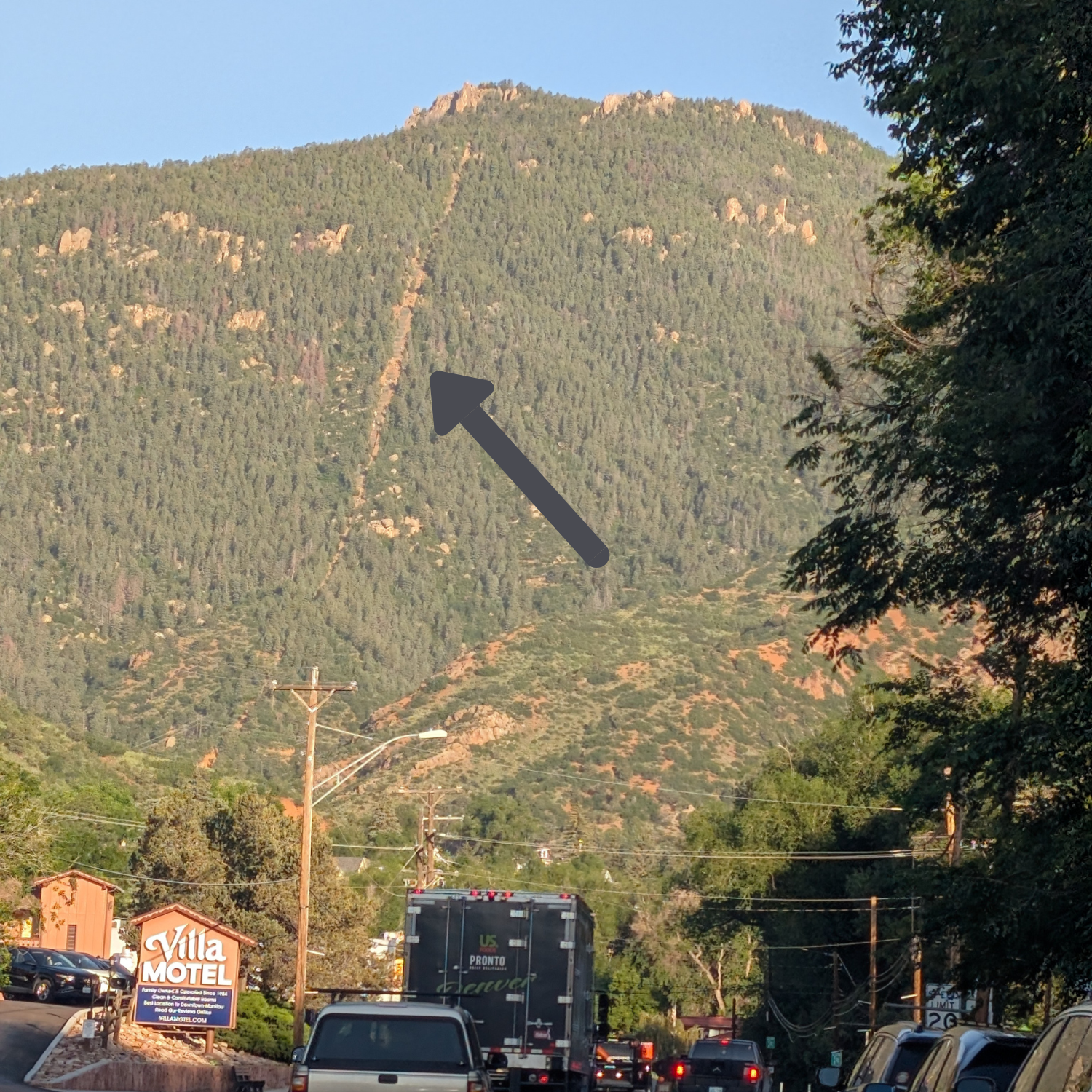
Well, I got influenced. Last year, social media introduced me to the Manitou Incline, an “extreme” tourist attraction near Pikes Peak in Colorado. Originally built in 1907 as a cable car route, it was damaged by a rockslide in the ’90s and reinvented as a staircase made of the remaining wooden ties – 2,768 steps that climb over 2,000 feet in under a mile.

So when I booked a trip to Denver this summer, I channeled Elle Woods energy and added the Incline to my itinerary (what, like it’s hard?). I’m obviously back, alive, and writing this, but that mountain served up some lessons that apply to fundraising too.

1. A Stair Climber does not a Mountain Make

When I planned the trip back in January, I had every intention of training. In total, I used a stair climber twice. Yes, twice. Reality set in pretty quickly when I saw the mountain in person for the first time. Suffice it to say, there was cackling. Lots of cackling. But even if I had trained more, no machine could’ve prepped me for uneven steps, thin air, and the inability to press “Stop” and hop off when it got tough.
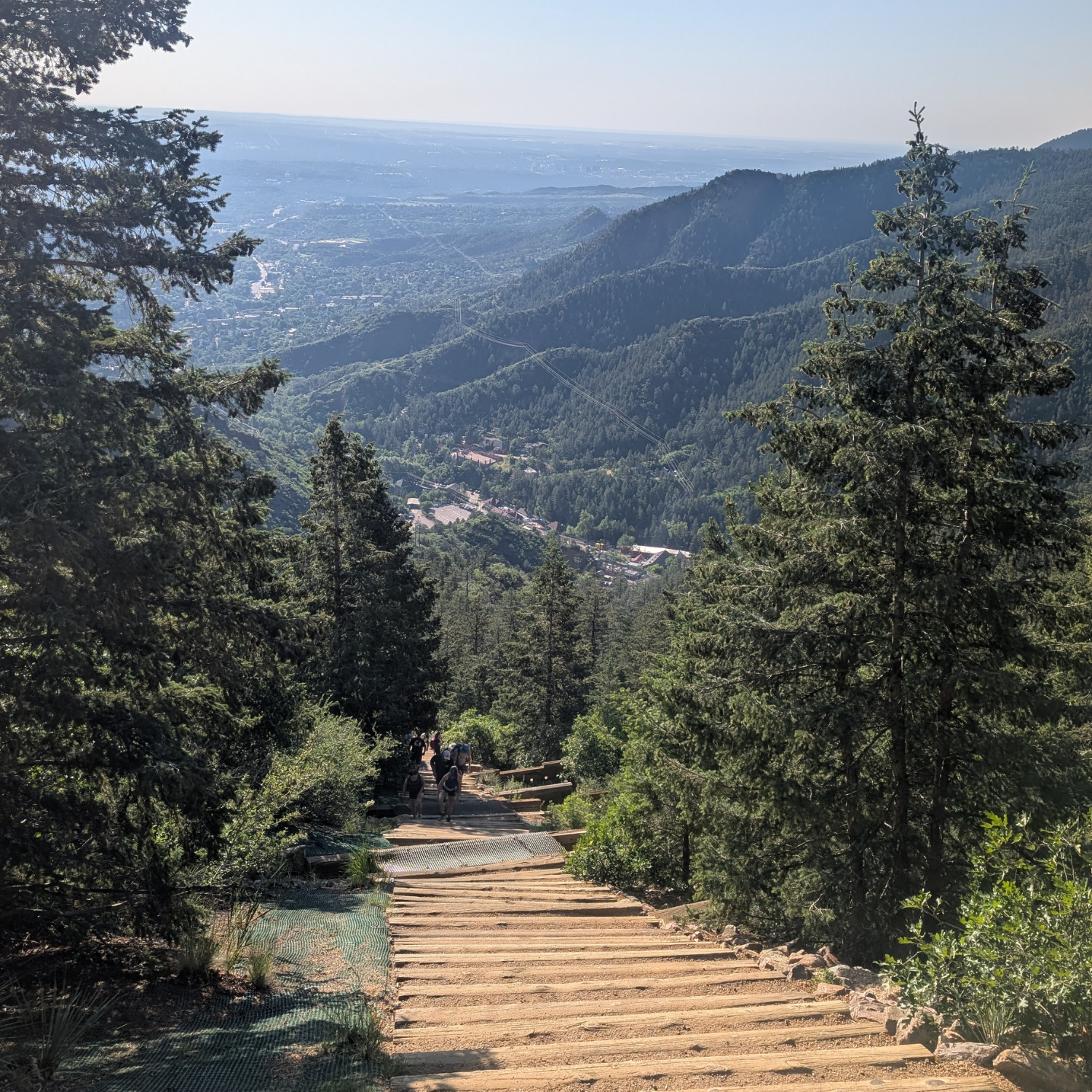
Fundraising is similar. You can have all the models, methods, and strategies at the ready, but donor behavior, timing, and shifting community needs are rarely predictable. There will always be variables in play that impact the outcome. Fatigue – yours and theirs – is real. Sometimes, you have to pivot mid-ascent.

That’s not to say don’t prepare – please, train. Training gives you the mindset, tools, and stamina to keep going when things get unpredictable. But fundraising, like the Incline, is more than muscle memory. It’s persistence, flexibility, and trusting that the work you’ve put in will help you adapt. Even when the journey is unpredictable, each step forward gets you closer to the top.


2. Pause, Replenish, and Enjoy the View

My favorite part of the climb? The breaks. There were side pull-offs where you could catch your breath and question your life choices. These pauses weren’t failures – they were necessary. They helped me recalibrate, rehydrate (note to self for future reference: one tiny water bottle and a single energy gel is not enough), and find my footing again.

Fundraising demands those same kinds of pauses. Step back and assess your path. Maybe your team needs to adjust their workload. Maybe your donor strategy needs a refresh. Maybe you just need a snack. Whatever it is, giving yourself room to breathe helps you last longer and go farther.

The 100-step markers on the Incline were a game changer. They allowed me to see my progress towards my ultimate goal and stay motivated. When I got to the top of the Incline, the view was breathtaking (literally). But here’s the truth: the view from halfway up was still really good.

Every time I took a break, I got a chance to turn around and look at how far I’d come. I acknowledged each 100-step marker. I saw a chipmunk and got thoroughly distracted. I commiserated and joked with fellow stair-steppers and felt a sense of comradery as we cheered each other on.

The same is true in fundraising. If you put your head down and plow through to your goal at the end, you’ll miss some pretty amazing moments along the way. Celebrate each donor conversation, each story that reminds you why this work matters, each time your impact shows up in real life. Those are the views that keep you going. Pauses may take you a little longer to get to the summit, but they keep you moving forward.


So, what mountain are you climbing right now? Use the resources you have. Rest when you need to. Ask for help. Celebrate along the way. Keep climbing. The summit – and the impact – is within reach.

Kate Frost
President, Association of Fundraising Professionals – WNC Chapter